And we’re back! Curious how I spent my holiday vacation? Read on…
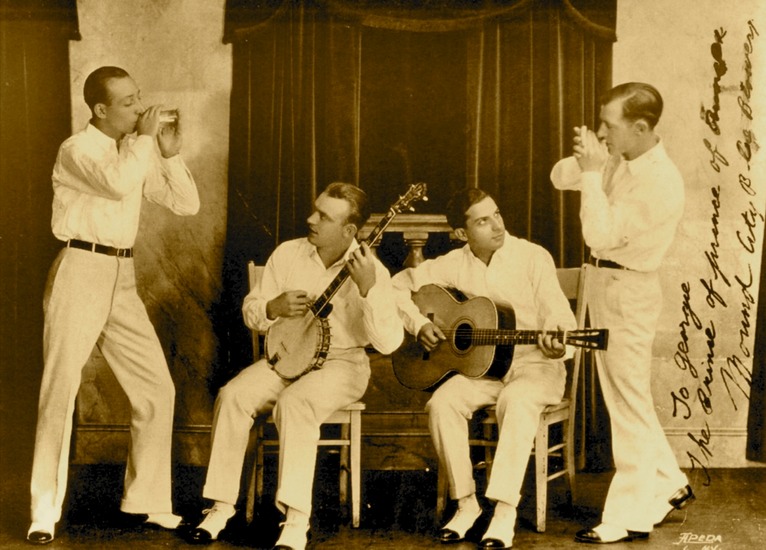
Reality television notwithstanding, ubiquity and fame are two very different accomplishments. Just ask Larry Binyon. More practically, Google him: he appears on dozens of record dates (150 jazz sessions alone according to Tom Lord), usually listed alongside some legendary names. Yet that’s all most historians and musicologist have to say about him. Larry Binyon is all over jazz history but not a well-known part of it.
He must have been an impressive musician to get work so consistently, especially with the likes of Benny Goodman, Fats Waller, Red Nichols, the Boswell Sisters, the Dorsey Brothers and other famous names. He also doubled several instruments, mostly playing tenor saxophone but contributing on flute when it was rarely heard in a jazz context. Binyon could also improvise in addition to read and double. Given the company he kept, he got to read and double far more often than he got to take a solo.
Years later and with very few solos on record, sidemen like Binyon can seem like historical packaging material. They surround the names we know best, provide musical as well as personnel background but otherwise end up padding the “real” artistic goods. After all, isn’t jazz “really” about improvisation? Weren’t there “better” improvisers around? Didn’t other musicians double? Couldn’t “anyone” have read the chart, as Binyon did?
Perhaps, but only from the luxury of listening decades later. To musicians, someone who could do all three (and maybe even show up on time and in uniform) would be a precious resource. There must have been a reason why Larry Binyon got to play so often. He also recorded quite a bit, even some of those improvised solos that jazz purists like to hunt down between all the written stuff, which Binyon also made possible. That sounds like far more than filler, and it definitely sounds like an important part of the music.
So holiday vacation was spent researching Larry Binyon. It began with sheer curiosity, and the hope of writing one blog post. A few thousand words later, I decided to spare the reader’s attention and give myself even more time for research, so I’m going to explore the life of this musician, and more importantly his music, over a few blog posts. There isn’t a ton of material out there on Binyon, and (goodness knows) it’s not all in one place, so I figure he warrants a couple of entries on my modest blog. The next post will cover Binyon’s earliest days, from growing up in Illinois to his first jazz record.
Musician and historian Chris Tyle has reported on Facebook that producer and early jazz advocate George H. Buck has passed away.
Buck is perhaps best known for his Jazzology family of record labels, which keep (present tense intentional) so many unique works of prewar jazz and jazz by musicians of the prewar era on the record, in every sense of the term. This is a tremendous loss to the musical community as a whole.
I offer my condolences to Mr. Buck’s family. Thank you for all you continue to do, and rest in peace, George H. Buck.
They’re not a proper account of the landmark moments in jazz history, but these records do make for fascinating comparison and enjoyable listening (especially if you’ve already taken one or two Jazz History courses)…
“Livery Stable Blues,” made famous by the Original Dixieland Jazz Band as the first jazz record, played by the New Orleans Rhythm Kings:
The NORK’s “Tin Roof Blues,” best known for trombonist George Brunies and clarinetist Leon Roppolo’s solos, referenced by Miff Mole and Jimmy Lytell on the Original Memphis Five’s recording:
“Singin’ The Blues,” forever associated with Bix Beiderbecke and Frank Trumbauer, given rhythmic tribute by the Fletcher Henderson band:
“West End Blues,” synonymous with Louis Armstrong, in its restrained inaugural recording by composer and Armstrong mentor Joe “King” Oliver:
Duke Ellington, best known as a composer, with a simple but highly personal arrangement of the WC Handy standard “St. Louis Blues” for backing Bing Crosby:
Meanwhile, across the pond, British bandleader paying homage to Ellington’s music by getting people out on the dance floor:
Jelly Roll Morton revisiting Scott Joplin’s ragtime staple “Maple Leaf Rag” on his own pianistic terms:
Morton’s “King Porter Stomp,” perhaps the most popular Morton tune when it comes to distinct approaches by bands, soloists and arrangers, becomes a swinging guitar partita in Teddy Bunn’s hands:
Count Basie’s “One O’Clock Jump,” for many the apotheosis of the riff-based, blues-soaked Kansas City sound, live at Carnegie Hall in 1938 with the Benny Goodman band expressing their admiration as well as their own unique sound:
Finally, Basie’s innovations in the scope and sound of the rhythm section, the prominence of the soloist in an ensemble setting and the very concept of “swing,” taken to turbo-charged abstraction on Gil Evan’s arrangement of the Basie staple “Lester Leaps In”:
These are just a few ways to mess with a jazz history syllabus. They might not be innovative recordings but they do show musicians listening and learning from one another while expressing themselves. That has to count for something in jazz, or music.
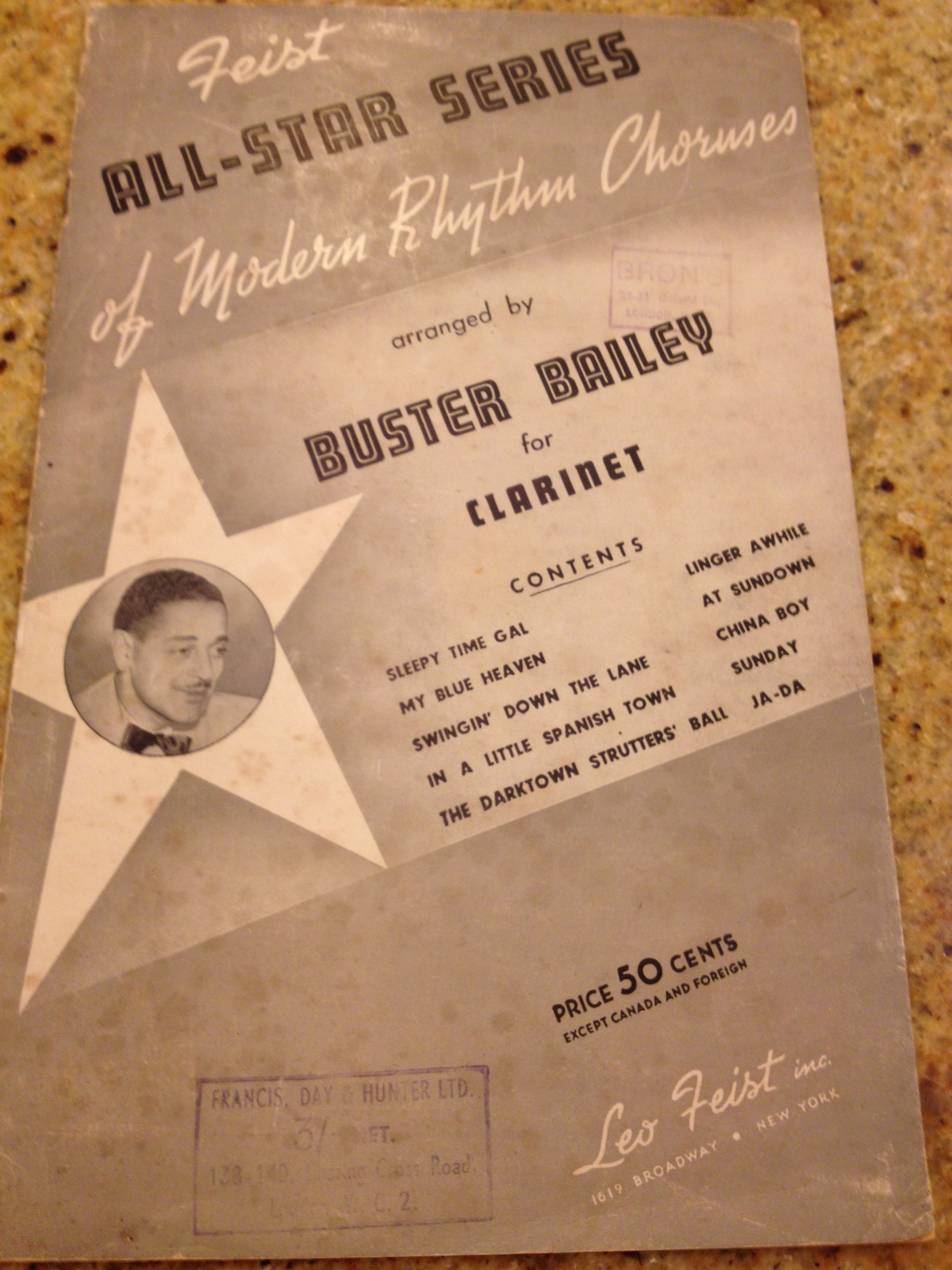
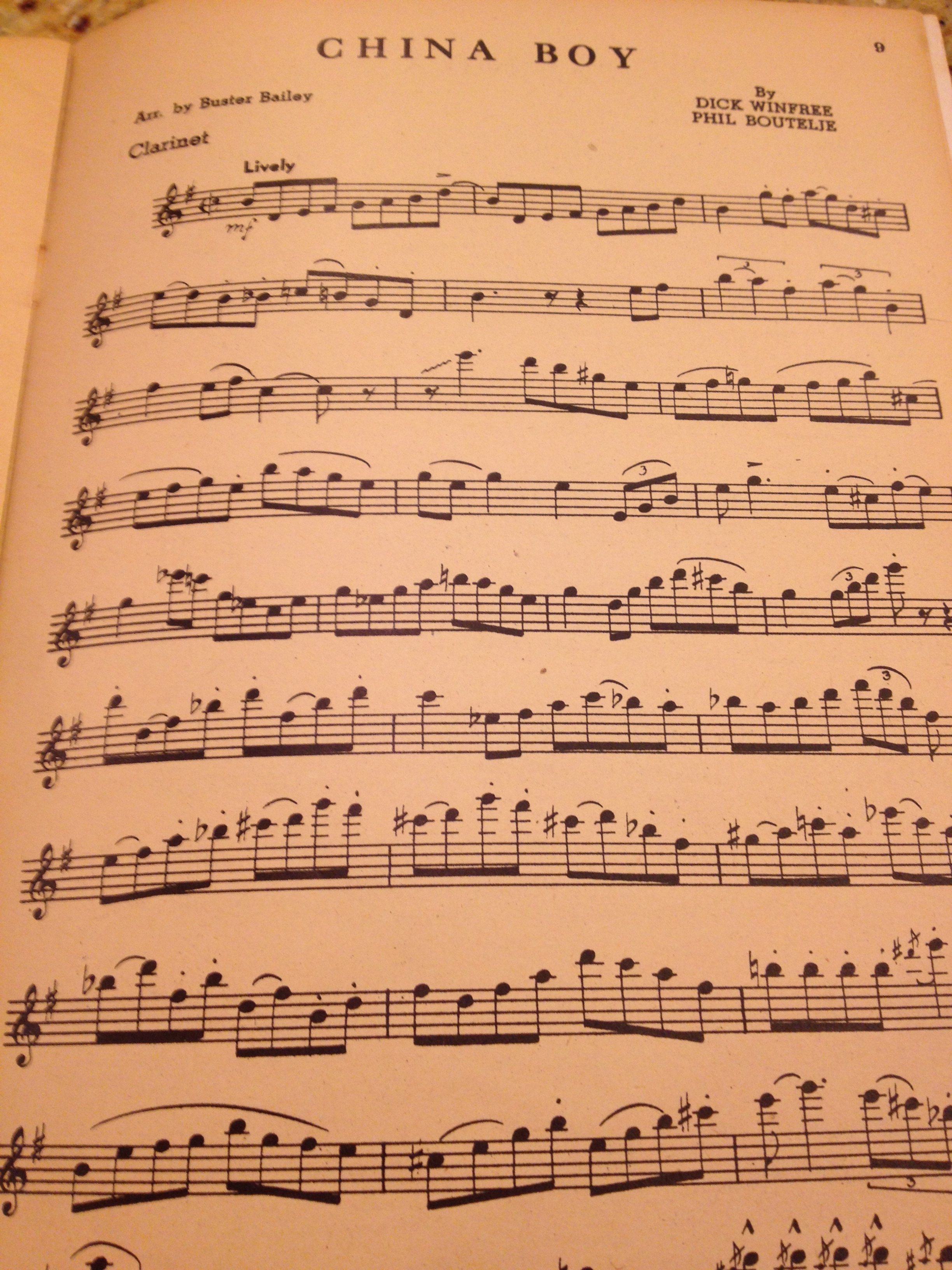
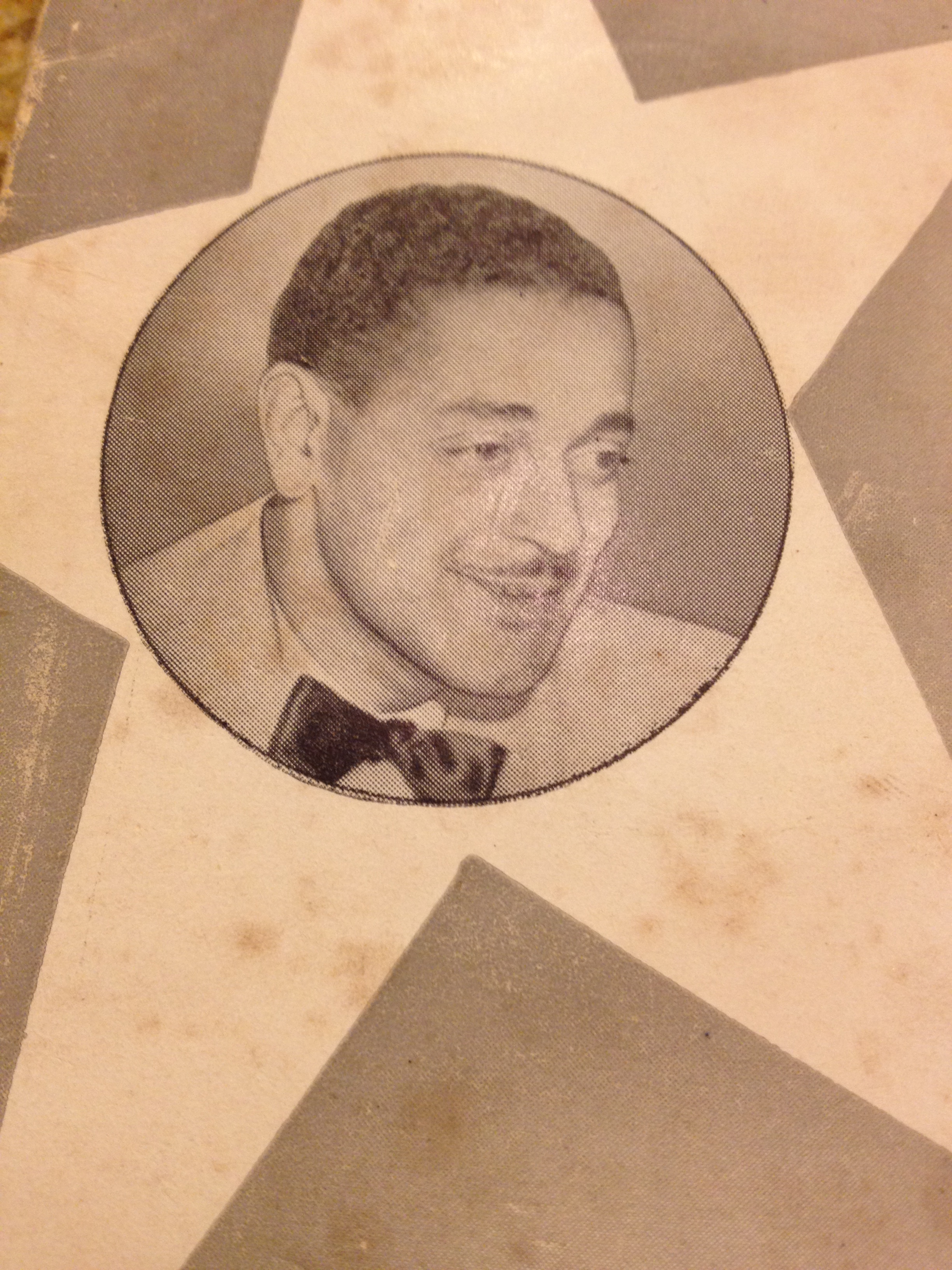
About ten dollars and eleven pages worth of bookshelf space is a small price for pedagogy by one of your favorite musicians. So I didn’t hesitate to grab my credit card when I saw Buster Bailey’s edition of the Feist All-Star Series of Modern Rhythm Choruses on eBay:
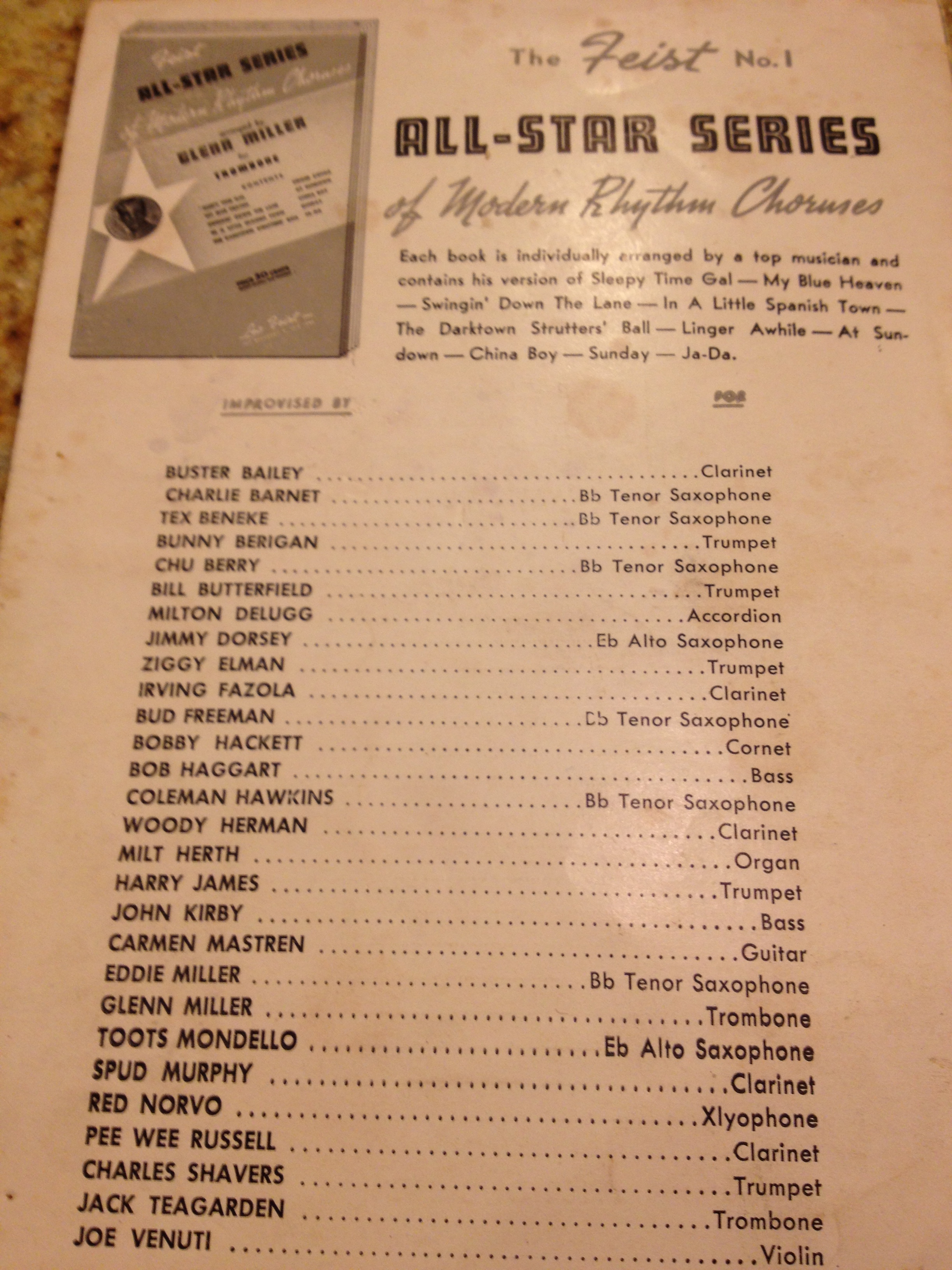
The same friend who revealed the availability of this volume also explained how Feist would invite some of the biggest names in popular music of the swing era to perform Feist-owned tunes at their studio, then transcribe those solos for young fans who were eager to play like the pros. A glance at the back cover and some help from Google revealed the wideselection of instructional legends-to-be offered by Feist:
Initially I planned on doing copious research to find out more about when these books were printed, how Feist selected and transcribed the solos, what the musicians may have thought about the work and whether any of their solos could be found on other recordings.
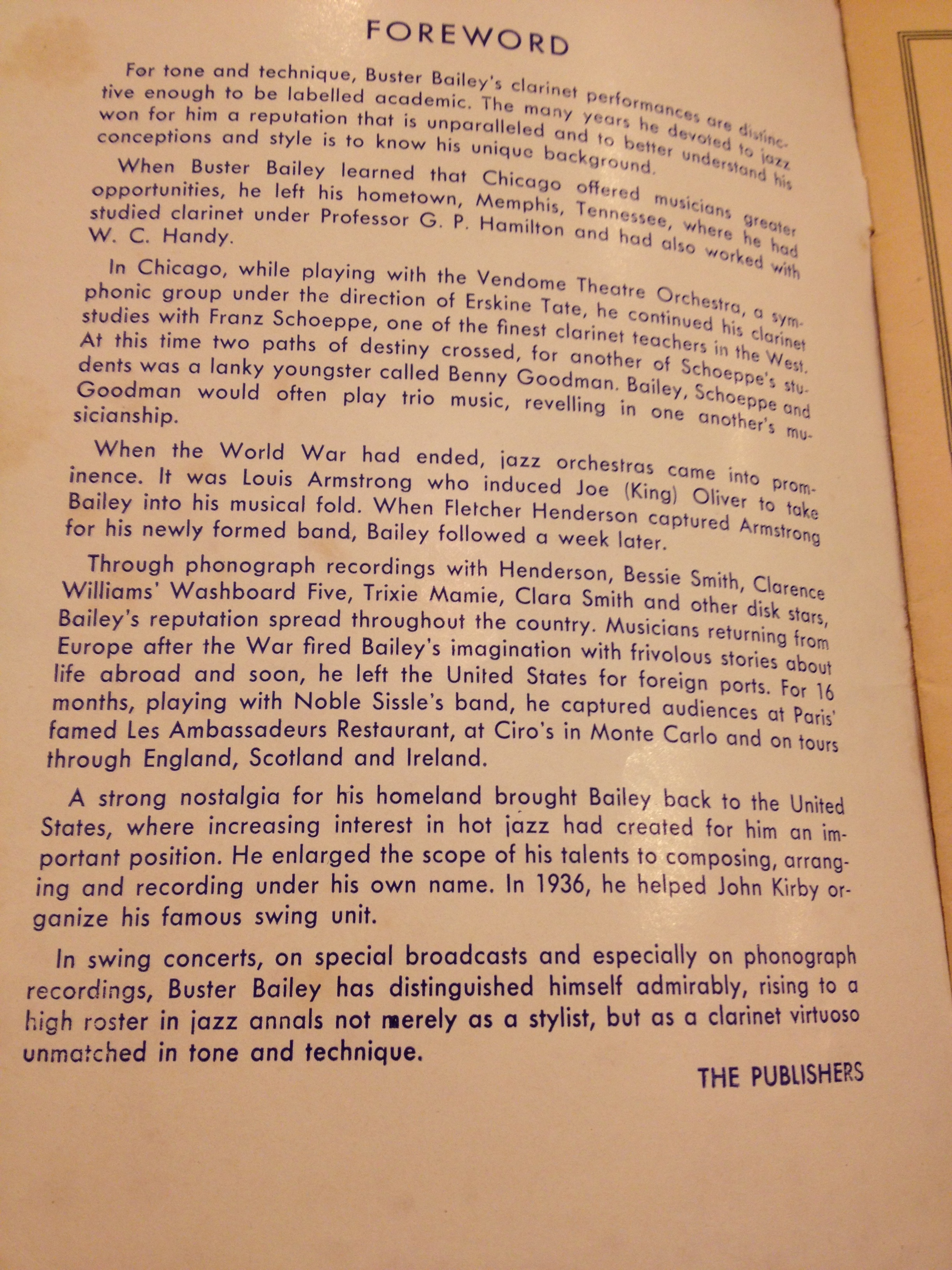
Then, it occurred to me: since most of the original purchasers were probably geeking out at the thought of owning something straight from the minds and fingers of Bunny, Hawk, Pee Wee and others, why not stay historically accurate and take a moment to gawk at what Buster Bailey made?
The publishers describe Bailey’s tone and technique as “academic,” referring to Bailey’s extensive classical schooling. Critics would later dismiss Bailey as “academic” in the sense of studied and impractical, calling him a skilled technician unsuited to the serious expressive work of jazz music. Yet after reading this foreword, and holding a published set of transcriptions by none other than Bailey himself, that particular criticism seems stranger than ever when applied to a musician who remained steadily employed with some of the most influential names in jazz over a fifty-year career.
I haven’t had a chance to run through these solos to see how they compare to the sound of Bailey on record. There’s nothing notationally strange on paper, which suits Bailey’s clean, transparent style. The seesawing lines and sudden upper-register syncopations look like they’re part of his aesthetic. Yet transcription can be a difficult process, which even in its most precise moments might still miss the personal inflections and rhythmic nuances that make a jazz solo distinct. Besides that, who knows if Bailey was phoning it in to make a quick buck?
For me, even Bailey trying to make a buck is worth a listen. Whether it’s for educational or commercial purposes, prepackaged or woodshedded, transcription always comes down to hero worship. That’s probably why the Feist series started in the first place, or why Charlie Parker Omnibooks are still selling and Jamey Aebersold is so busy. Overtly this was an educational purchase, but the truth is, I’m a fan. Yet that’s okay, because Buster Bailey knew that and left something for his fans.
Sure, why not?
Nine decades and a few stylistic light-years after it was recorded, the Benson Orchestra of Chicago’s “Wolverine Blues” may sound like (to paraphrase one online commenter) a lesson in how not to play Jelly Roll Morton’s composition:
The Benson Orchestra seems to lack the “plenty rhythm” that the composer deemed crucial for jazz. Instead, it has its own firm, broadly stepping two-beat rhythm, with clipped syncopations and a bright, violin-infused sound that looks back to ragtime (but not as far back then as now). The Benson Orchestra rags a bit, promenades more and to some ears might also do some marching. They don’t do much stomping, and definitely do not swing.
This seventh-ever recording of “Wolverine Blues” from September of 1923 is far removed from the medium to fast tempo jams that the Morton standard now typically inspires from early jazz ensembles. Yet it’s also very different from the looser, at times downright raucous inaugural recordings that the New Orleans Rhythm Kings and Albert E. Short’s Tivoli Syncopators gave “Wolverine Blues” back in March of the same year. The composer himself offered a swinging solo piano rendition in July. Gene Rodemich’s dance band sounds comparatively unhinged back in June, and Frank Westphal’s orchestra played a similar arrangement with a slightly agitated rhythm section and busy solos in late March. (I still can’t find an online version of Harry Raderman’s May recording, but any help would be greatly appreciated!)
The Benson Orchestra is less visceral and more vertical than any of its recorded predecessors. Pianist/leader Don Bestor’s piano filigree and the trumpeter’s blue note counterpoint during the final chorus do have their own antique charm, but the Benson recording just doesn’t have the same energy and variety of the NORK’s improvised polyphony or Morton’s occasionally Latinized piano. Other musicians were obviously giving “Wolverine Blues” their own distinct treatment before the Benson’s record, treatments that jell much better with contemporary expectations of the tune. The Benson Orchestra’s approach is less a historical template than an example of one band’s style.
It is tempting to dismiss the Benson style as stiff and outdated (and to some, stereotypically “white,” even if both African American and European American musicians were already playing the tune in equally distinct, differently bombastic ways). Yet it is a style, one unlike any other on record at that time, or since: no modern band would ever think to play Morton’s warhorse like the Benson Orchestra does, except in outright imitation or parody.
The sound of the Benson Orchestra on “Wolverine Blues” remains so refreshingly archaic, so far removed from even a vestigial hint at what is “current” that it’s both very personal and oddly subversive. In its contemporary context, the Benson Orchestra’s outdatedness might even seem ballsy. It may not suit everyone, but it’ll never be wrong. Assuming that Morton and his jazz brethren’s ultimate mission was to encourage individuality in music, then the Benson Orchestra fulfills that legacy in spirit, if not style or (far more slippery) taste.
Picasso, Man With A Pipe (1915), Art Institute of Chicago.
The Capitol Palace in Harlem was a late-night, after-hours club that is now (in a delicious bit of municipal irony) the site of a playground. At least some of the music of its house band lives on through records.
Bandleading brothers Lloyd and Cecil Scott started out in their hometown of Springfield, Ohio, competing with the nascent McKinney’s Cotton Pickers and eventually making their way from the Buckeye State to the then-jazz capitol of the world. The band developed a significant fan base there by subbing for some of the best-known groups in the city. Those jobs were early enough in the evening for the band to make its regular gig at the Capitol.
Sides from the group’s first record session capture a late-night air of experimentation and inebriation that must have made the Capitol a very interesting place to play. “Symphonic Scronch,” for example, sounds like something Salvador Dali might have composed had he skipped art school and opted for a career in hot dance music:
Trumpeter and historian Randy Sandke points to the clarinets voiced in creaky major seconds in the introduction, as well as the sudden interpolation of 5/4 meter (in 1927!) during the succeeding chorus for banjo, piano and drums. Sandke also admits he can only “approximately transcribe” that passage, yet the whole chorus is barely even hummable. It just bumps along, refusing to tell a little story, before the brass transition into a sax chorus that feels like it’s going to topple or explode at any moment. Kenneth Roane’s muted trumpet sounds similarly disembodied. Sometimes he floats on the clockwork backbeat, other times he sardonically leans into his phrases. Dicky Wells, appearing on his first record session, reprises Charlie Green’s ominous vamp from “The Gouge of Armour Avenue.”
“Symphonic Scronch” might be a reference to the Scott brothers’ earliest band, the Symphonic Syncopators. Phil Schaap explains that a “scronch” is a type of dance step. Yet the title as well as all of those dissonances and jagged rhythms also suggest some uncanny mutation of Paul Whiteman’s “symphonic jazz.” Whatever the meaning, it’s fun to imagine perplexed Harlemites making sense of this arrangement on the dance floor.
“Harlem Shuffle” (with an arrangement by Roane) smoothens the rhythm yet includes quirky touches like the fluttering, slightly off-kilter brass introduction and some unexpected double-time tantrums:
Hubert Mann’s banjo and Lloyd Scott’s drums are a huge part of the band’s sound. Lloyd’s press rolls accent Don Frye’s piano solo, and Mann is both rhythmic and harmonic accompaniment as well as a textural foil underneath Cecil Scott’s massive baritone sax. He’s also a reminder not just of the banjo’s ability to slice through a group without amplification, but of the unique flavor that the instrument can bring to an ensemble (when the audience isn’t distracted by straw hats or hokey music, that is). Cecil’s sound is refreshingly archaic: metallic, angular and visceral, like Pharoah Sanders thrown backwards in time. The baritone sax faded as a solo instrument during the swing era, only to come back much faster, lighter and higher during the bop era. Cecil’s baritone comes from an earlier approach to the instrument, one that stressed a thick, dark tone and percussive attack (also listen to Jack Washington in Bennie Moten’s band or Coleman Hawkins’ flirtation with bass sax in the Fletcher Henderson orchestra).
Chameleon-like, on “Happy Hour” Cecil contributes both his gutty baritone and his piercing clarinet. On the smaller horn, he winds out the band’s first chorus like a man who gets this chart’s title all too well:
The arrangement revolves around a repeating two bar vamp for the rhythm section, an eight bar blowing section and a four-bar, seven-chord descending theme. Don Frye’s arrangement mines a lot of variety from its three sections and ten players:
First, the vamp and theme mirror themselves around Scott’s clarinet, then the theme alternates with ensemble sections and solos. The offbeat accents during the brass chorus followed by the stop-time feel for Wells’ solo make for a clever touch of orchestral déjà vu.
The four-bar theme in turn captures that magic moment in the evening when it’s too late to catch the train, there’s no more liquor left to be poured and the last girl on the dance floor isn’t asking but telling people to dance. It’s a musical depiction of a scene that the Scott brothers had probably witnessed far too often on the job. The record closes with saxes chanting over the vamp. Two drum hits in Charleston rhythm cut things off but it feels as though the band could go on vamping into other, still stranger episodes.
This first session and these three charts (two with alternate takes) were the only recordings made under Lloyd’s name before he moved from drumming to managing the band. The band would continue as Cecil Scott and His Bright Boys, recording sporadically but continuing to play throughout New York and counting Wells, Frankie Newton (who can be heard on this session), Roy Eldridge, Johnny Hodges and other legends-to-be in its ranks. Yet aside from historical dates and famous alumni, this session yielded some of the most original, atmospheric music of its time or any other. Just another night at 575 Lenox Avenue.
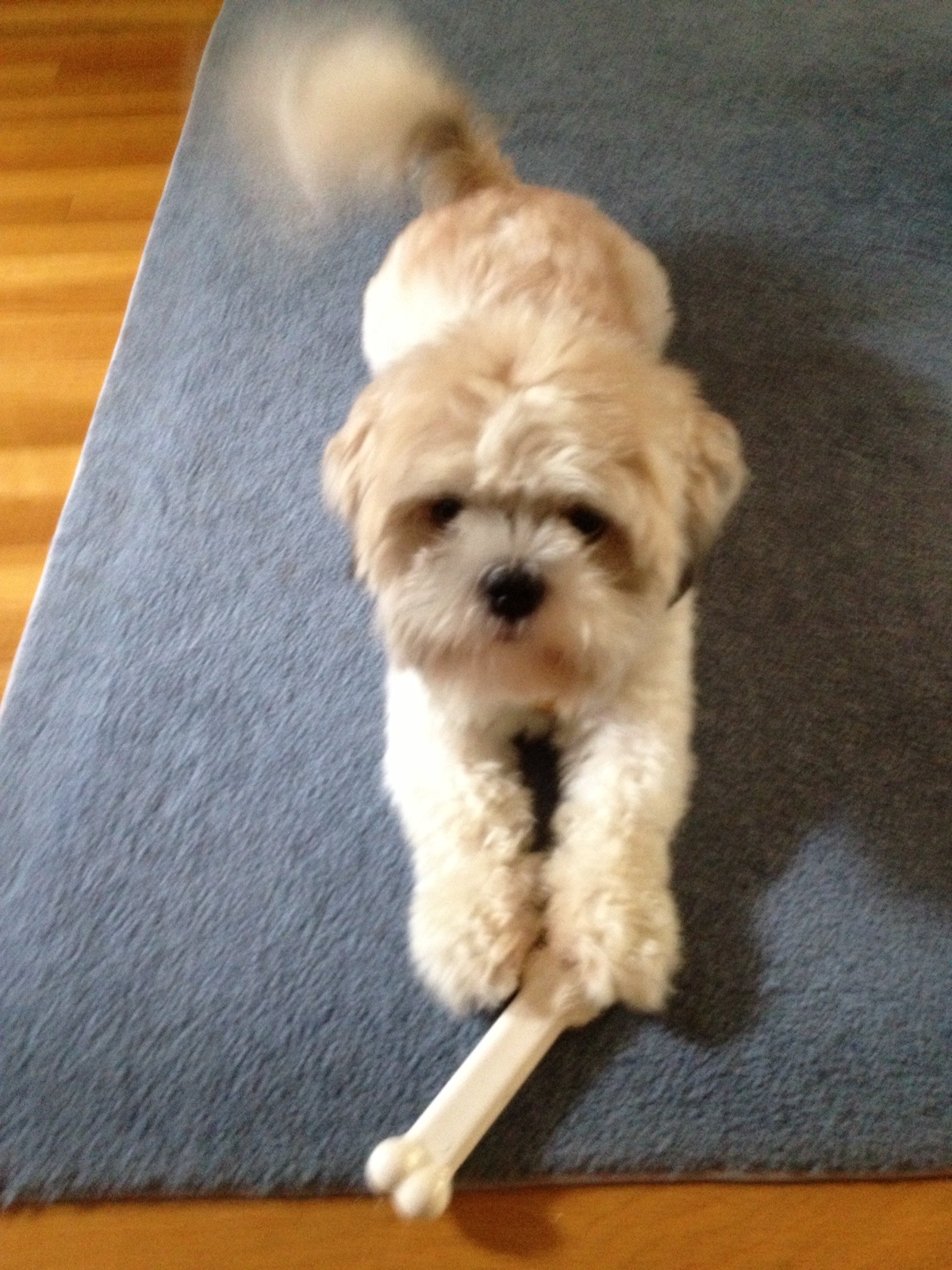
Charlie hears a lot of music in his house: twenties jazz, Baroque concertos, swing, eighteenth century opera, early bop, early Romantic, tuba solos, bassoon concertos, motets for contralto, scat numbers, Duke Ellington, Charlie Johnson, Mozart, Cimarosa, Benny Goodman, Ben Pollack, legendary bands, obscure bands, old bands, new bands, still more old bands, several old and obscure bands, Sebastian Bach, Christian Bach, Wilhelm Bach, Bernard Bach, Ke$ha (it’s a long story and don’t judge) plus much more. Yet he rarely notices any of it.
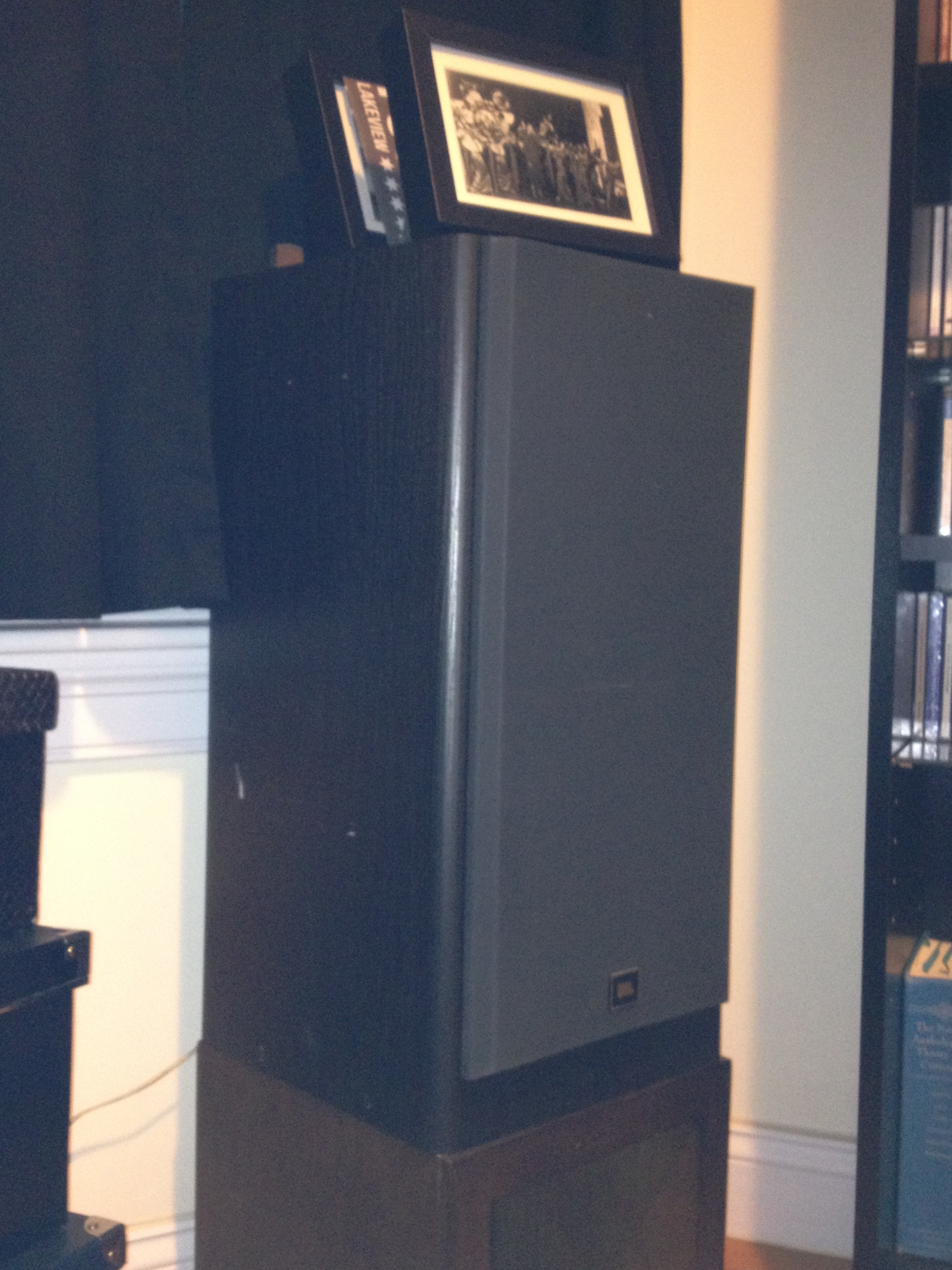
These are the speakers that play most of the music in Charlie’s house:
If Charlie happens to wander into the room with the speakers and the music, he’ll either trot right out or, if he wants a change of floor, plop himself down and resume the above position. Either way he remains oblivious to all that lyricism and rhythm.
If there is music coming from the room with the speakers, then one of the humans who lives with Charlie and feeds him, plays with him, takes him for those amazing walks and (for some reason unknown to Charlie) occasionally bathes him will also be in the room with the speakers. Specifically, it will be the male human.
Usually the male human is thumbing through tiny booklets with words like “Frog” or “Naive” on them. Other times he’s just sitting there, with his eyes closed. Both activities have nothing to do with Charlie, so Charlie will bark at the male human or jump on his lap so that the male human will scratch Charlie behind his ears or toss Charlie’s favorite plush squirrel; that’s what Charlie likes. As for the music, occasionally a very high note gets him to perk up one ear ever so slightly, but that’s as far as his interest goes.
This is the record player that was recently placed inside of the room:
and this is the part of the record player that paints the room with music:
The record player also plays a lot of music. Yet when the record player plays music, even music that Charlie has already heard from the two speakers, Charlie actually notices it. This is Peggy Lee singing “On The Sunny Side Of The Street” with the Benny Goodman Sextet:
and this is Charlie, transfixed by that music as it flows out of the record player:
He may have even tilted his head during Lou McGarity’s trombone solo!
Charlie doesn’t seem to care that the record player doesn’t play as loud as the speakers or that the music it plays sometimes hisses and pops. In fact, Charlie seems to like that about the music on the record player. Maybe a zoologist could explain what Charlie’s sensitive canine ears detect in the record player’s music that’s missing from the speakers. While Charlie will never be able to explain it to the male human, somehow the male human understands, and he is grateful for the lesson.
Decades of historical and discographical research have spoiled fans of classic jazz. It’s easy to find out who played third saxophone for Duke Ellington at any given time, or the true identity of “Blind Willie Dunn.” With a few exceptions, the details have been researched, debated and revealed by someone somewhere and piped into our shared electronic synapses.
Hot jazz lovers can now skip their heroes’ commercial recordings and head straight to the improvised solos. Wild moments from even tame acts like Ray Noble and Guy Lombardo have been cherry-picked and cataloged. Whole discs of jazz and jazz-oriented works from the prewar era are available, with complete personnel listings and informative liner notes but none of the waltzes and novelty numbers.
There’s also no longer any need to stop at just a song title, band name and company logo on a wax disc. There’s so much more “out there” on the web. Look hard enough and one can find out why Sonny Dunham sounds so defiant on the 1939 Metronome All Star Band session or Pee Wee Russell’s favorite cocktail. Harder to find is the imprint of eager fingerprints: the records are collectors’ items and it’s hard to hold an MP3 without “chemical assistance.” CDs are incredible vessels, often featuring crystalline sound and loads of information, but they’ve also helped eliminate the mystery and excitement of inconvenience.
So, when a good friend recently gifted me a turntable and a stack of 78s, I decided to skip Lord’s discography (another miracle of modern times) and head straight to the sound of the Broadway Bellhops’ “Barcelona.”
I knew that the Bellhops were a subgroup of Sam Lanin’s popular dance band, which featured talented jazz musicians but didn’t always play jazz. Their records ran the gamut from Bix Beiderbecke and Joe Venuti making sweet, swinging hash out of “There Ain’t No Land Like Dixieland” to the mechanical beat and merman vocals of “Collette.”
So “Barcelona” wasn’t as exciting for who might be on it as what might be on it. Maybe some tasty Red Nichols lead trumpet or a hot eight-bar bridge from Miff Mole? Perhaps some other instrumentalist, new to me and neglected by historians? It could be a hot dance number, low on improvisation but with plenty of rhythm, or even a wide-open chart with plenty of room for solos, capped by a high-flying, collectively improvised ensemble!
Wrong on all counts: instead, just “the Broadway Bellhops,” whoever they might be:
There was really no way to tell who comprised the group of musicians traipsing through the peppy faux-Spanish theme with lockstep stock arrangement efficiency, or if there were any “real jazz musicians” who might have been rolling their eyes as they stated and restated the melody. The only certainty was me, on the edge of my seat, waiting for something besides the sound of guys earning a paycheck. No liner notes advising “no jazz content” or a telling omission from Rust: just me, finding it all out on my own, and in 2013!
The tuba player’s beat, a flip cornet and the clarinet obbligato on the reverse side, “Someone Is Losin’ Susan,” were just as amazing to find (if much more enjoyable to hear):
As I suspected, none other than Joe Tarto on tuba and Nichols’ cornet. As for the clarinet, Lord’s says it’s either Dick Johnson, Lucien Smith or Chuck Muller, three reedmen who are all new to me. It’s good to be right, great to hear jazz and remarkable to explore something unknown these days.
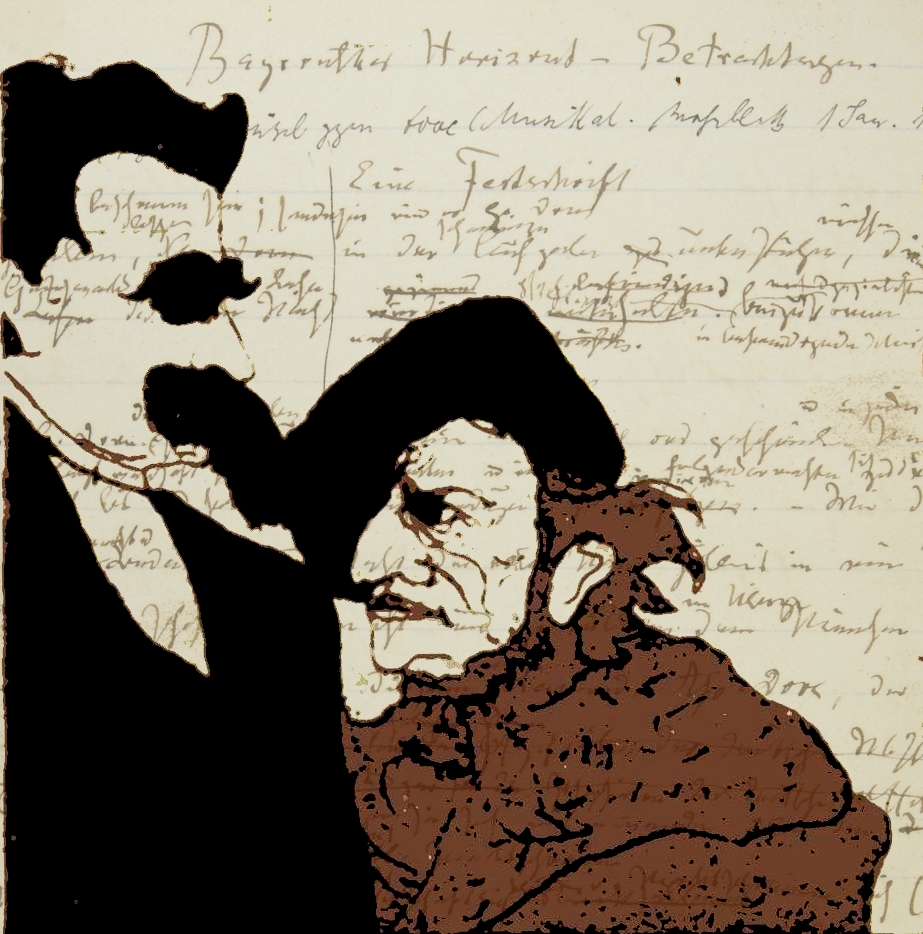
Friedrich Nietzschesaid that Wagnerian opera expressed “the sublime, the profound and the overwhelming.” Yet he wasn’t giving out compliments.
For Nietzsche, Wagner’s music represented the decadence of their time as well as the composer’s ego, two things that ticked Nietzsche off so much that he devoted The Case of Wagner and Nietzsche Contra Wagner to roasting his former friend and now musical Napoleon. Readers may not agree that Wagner refused or was unable to write a melody or that he distrusted beauty, yet Nietzsche’s descriptions of Wagner’s big orchestra, big effects and big, superheated emotions are hard to dispute.
There’s a sense of girth to Wagner’s works that just isn’t found in the music of earlier composers. No matter how busy the counterpoint or terrifying the scene, Bach and Mozart never let their textures grow too thick or their sentiments turn too raw. Their music glows while, for Nietzsche, Wagner’s music “sweats.” For Nietzsche, the artist’s sweat, the residue of their own subjectivity and anything that draws too much attention to the artist’s efforts made sublimity, profundity and the overwhelming seem like noisy, smelly passengers on a very bad tour of European culture and its future.
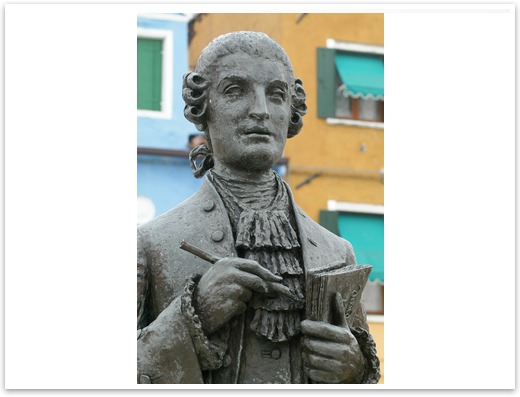
I don’t have the research materials needed to ascertain whether or not Nietzsche had heard of Galuppi, but he may have liked the Venetian opera composer’s own three descriptors of good music. “Charm, clarity and good harmony” might sound a little too modest for the philosopher who gave the world “will to power,” but Nietzsche might have respected Galuppi’s honesty and self-awareness (possibly even his modesty). Instead of self-absorbed display, a compulsion towards bombastic realism and a cleverly complex technique, Galuppi opted for lightness, directness, transparency, stylization, respect for form and tradition, rhythmic flow and a good dose of humor.
Early music, whether it’s a Baroque suite or a hot dance chart, isn’t limited to those values but it thrives on them. Depending on one’s taste, the music is “balanced” or “small” enough so that all the moving parts are audible, and valuable. The structure and scope of the music are not (yet) so big or so codified that they make anyone feel trapped by them. Practitioners, if they’re not inventing the forms, see them as springboards rather than shackles. Necessity plays an important role, for example with instrumentation, venue and material, leading to invention that wouldn’t be possible with unlimited resources. Musicians treat their craft (rather than “calling” or “mission”) seriously but take themselves slightly less seriously. Early music is usually also commissioned by a patron or danced to by audiences. It’s usually not the undiluted expression of an “artist.”
It’s hard to imagine Galuppi, or for that matter Vivaldi or King Oliver, calling themselves “artists” or penning the kind of long, personal treatises written by Wagner. It’s harder still to picture any of them pouring their pure, undiluted tears onto the stage. Can anyone imagine Jabbo Smith or Handel using music to show how they felt, rather than crafting something that made the listener feel a certain way?
Wagner’s personal beliefs are an open book courtesy of his music. The same goes for Charles Mingus. Haydn would have never gotten away with or even wanted to be so candid in his music. Could we even imagine Don Redman composing a secular oratorio to honor one of his political heroes, or Hot Lips Page playing his trumpet to protest anything? Mozart, who created some of the most touching, powerful experiences in sound, never felt the need to confess, let alone scream or cry. Neither did Louis Armstrong. No matter what they expressed, there was always style and play in their work. They didn’t seem to want to be gods in the act of creation. They continue to succeed as musicians inviting all of us into their (to borrow a term Albert Murray liked) recreation.
Nietzsche looked for certain artistic qualities in music but didn’t find them in contemporary sounds. He found the past much more rewarding. In other words, Nietzsche was an early music fan.
Despite, or perhaps due to, being one of the most in-demand guitarists of the swing era, Dick McDonough rarely had the opportunity to lead his own record sessions. When he did get a chance to direct an ensemble in the mid thirties, he had the ears and connections to select some of the best jazz musicians in New York City. Record company ARC had the studio and cash, so they supplied the music and oversight.
After an impeccably played but soporific inaugural session of sweet music and waltzes on June 4, 1936, the company seemed to start hearing this group’s potential at their next session on June 23. Bunny Berigan’s melody statements on trumpet, Claude Thornhill’s piano solos and Artie Shaw’s clarinet obbligatos spice up Tin Pan Alley soft-serve like “Summer Holiday” and “I’m Grateful To You.” All three players are used in the same way, even at the same time in both arrangements, hinting at some A&R calculation of what a little musical individuality might do for sales. Things continue to loosen up on “Dear Old Southland” with a characteristically smart, swinging solo by Shaw and some brightly harmonized ensembles. “Way Down Yonder In New Orleans” swings even harder and leaves even more room for improvisation.
By August 4, 1936 and with slightly different personnel, those highly organized, jazz-flavored dance band arrangements have been replaced by open-ended jazz charts that are also very danceable. Dick McDonough and His Orchestra finally get a chance to stretch out on four tunes (“Dardanella, It Ain’t Right, Between The Devil And The Deep Blue Sea” and “In A Sentimental Mood“):
Berigan lives up to the accolades of Louis Armstrong, Benny Goodman and generations of musicians and fans devastated by his early death. His tone is blistering yet relentlessly warm. He swaggers into “Dardanella” and “It Ain’t Right” and adds a plaintive element to Ellington’s “In A Sentimental Mood.” Toots Mondello, best known for his section work with the big bands of Benny Goodman and others, is ( I believe) the confident, joyous clarinetist on these tracks, and (definitely) the rhapsodic alto sax voice on “In A Sentimental Mood.” Adrian Rollini’s bass saxophone, freed from its role in the rhythm section of so many twenties bands, is now even wittier and more flexible. His vibraphone also adds another color to the band. Drummer Cozy Cole is prominent throughout, adding a popping feel that’s part Jazz Age and part Swing Era to “Between The Devil And The Deep Blue Sea” (just listen to his splash cymbal at the end of the first chorus). Vocalist Buddy Clark clearly listened to Louis Armstrong and absorbed what he heard; Clark clips and elongates his phrases while never sounding like some commercial concession.
The once absurdly busy and now woefully forgotten tenor saxophonist Larry Binyon gets in some husky solos, with pianist Sammy Prager and bassist Paul Prince rounding out the ensemble. McDonough’s solos are spare both musically and literally. Maybe he wanted to give his colleagues extra room, making him a modest and/or smart leader as well as a tasteful guitarist. Judging by the energy on these sides, all the players were happy just to breathe.
Too bad that the very next day, as though hung over from too much improvisation and swing, the label was back to serving sedate tempos and sugary, occasionally mind-numbing words (why would a songwriter think that “color scheme” is a suitable lyric for anything other than a paint shop jingle?). On this session and McDonough’s remaining ones, the beat bounces more than swings and most of the tunes are generically pleasant. They’re also much more tightly arranged. Even Clark slides back into the role of legato pop singer.
It would be hard for a band like this to make a “bad” record, even an uninspired one. There are still beautiful, at times creative touches to find over the course of McDonough’s twelve sessions for ARC. He would in turn never lead another record session on this or any other label. It’s difficult to say whether McDonough was discouraged by his experience as a leader or simply too busy to care. He just did what he could, when he could.
 And we’re back! Curious how I spent my holiday vacation? Read on…