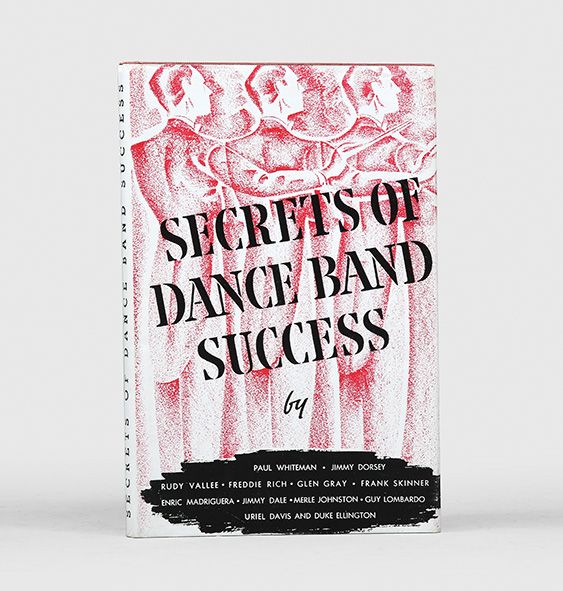
In 1936, the Mills Music Publishing Company published Secrets of Dance Band Success, a collection of essays by popular bandleaders. Alongside recommendations for instrumentation, selecting tempos, and personnel management, the book included the following guidance:
Don’t begin with the idea of giving people what they like. Offer them something new and different. If they go for it in Keokuk[, Iowa], they will go for it on Broadway [in New York City]. Give people what you’ve got and make them like it. That’s the whole secret.
It’s advice for the road-weary bandleader trying out their original arrangements between background music during dinner hour and “Three Little Fishies” or for the section player doubling five instruments who’d rather be soloing on one, a hard-won but ultimately optimistic aesthetic credo.
Good music succeeds, regardless of where it’s played or who’s hearing it. And all music has the potential to be good music, so don’t follow trends or appeal to the lowest common denominator. Be willing to give audiences something they haven’t heard before, especially if it’s something that reflects your skill and imagination.
For musicians at the time, this advice must have sounded either refreshing or naive. That might still be the case. People say we live in cynical times. Maybe that has been the case for a while. Perhaps things have simply gotten worse or just become more obvious. Still, individualism is at the heart of jazz and great American popular music, so for Independence Day, I wanted to share that bandleader’s encouraging words.
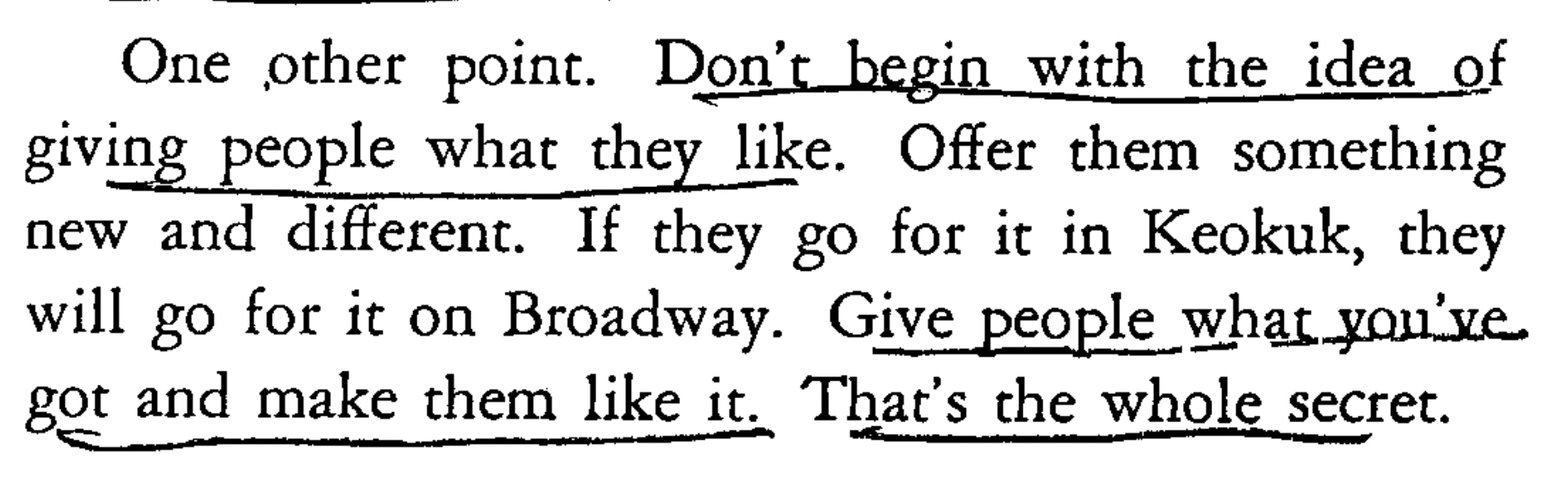
“Playing” may mean music, another creative endeavor, or anything done for the sake of living (rather than survival or obligation). Whatever or however you “play,” please remember these inspiring words about doing it sincerely and for the sheer love of it, courtesy of Guy Lombardo.
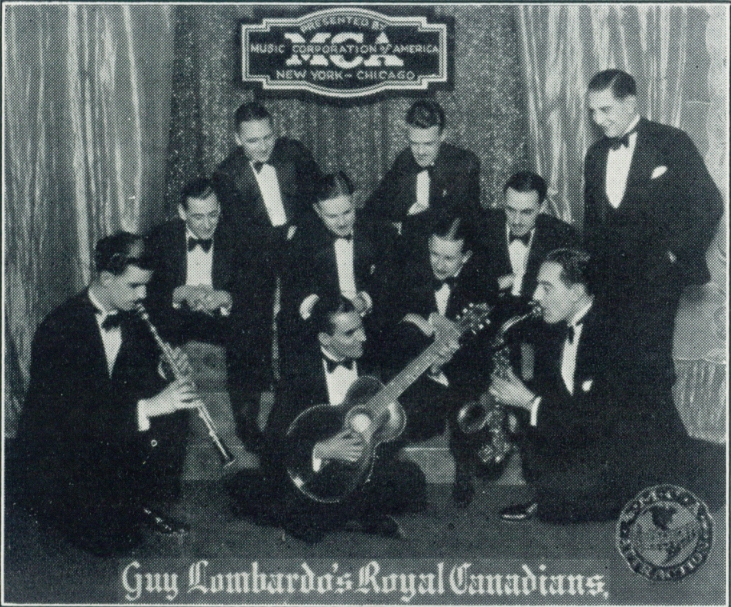
As a postscript, some readers might think Lombardo is an ironic source of advice for playing what you feel. He certainly met the criterion for “dance band success”; audiences packed venues to dance to his signature sweet, smooth, swaying sound. But he was also a critical pariah. Critics still dismiss his music as shallow. As Ricky Riccardi’s linked article above discusses, the fact that Louis Armstrong enjoyed Lombardo’s music still causes cognitive dissonance among some jazz purists.
On the other hand, Lombardo’s autobiography outlines a careful process of song selection and an intuitive sense of “reading” a room of dancers. It’s filled with examples of his attention to musical details such as instrumental texture and section balance. While he seemed grateful for his popularity and financial success, he loved playing for audiences. Guy Lombardo cared deeply about music that appealed to a broad fan base—and which paid for multiple homes. Personally, if I listen to a Guy Lombardo record back-to-back with a Duke Ellington side, I just think, “What a great era for popular music.”
Enjoy your Fourth of July and every day.
 The Pop of Yestercentury