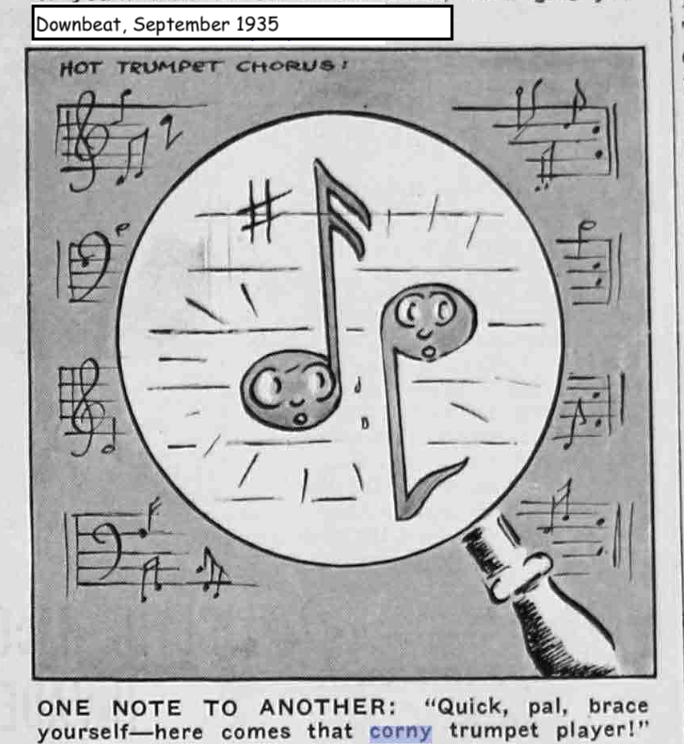
In music, “authoritative writing” sometimes means making music history and music criticism feel synonymous. Take the following quote:
The earlier minstrel-concert-vaudeville orchestras of Wilbur Sweatman, Will Marion Cook, James Reese Europe…were gradually supplanted [and diluted] by Vincent Lopez, Ben Selvin, Earl Fuller (with Ted Lewis), and Paul Whiteman, who supplied the ‘new’ jazz music, polished up for dancing.
Most of this passage comes from Marshall Stearns’s 1956 book The Story of Jazz. An editor for the journal of the E.E. Cummings Society added the bracketed text when quoting Stearns in the spring 1994 issue.
It’s just two words, but they make historical description and aesthetic judgment seamless. “Polished up” suggests a glossier presentation, perhaps at the expense of the music’s visceral appeal. But Stearns was describing how that second group of bandleaders merely repackaged the first group’s music. The ironic scare quotes imply there was nothing significantly different about what they were playing; they just got more attention.
For the journal’s editor, Stearns—one of the most respected jazz writers of all time—needed correction. “Dilution” goes beyond influence, imitation, or even appropriation. It means taking something pure and dissolving its salient qualities until the source is either ineffective or unrecognizable.
Bob White’s article in Music and Rhythm magazine of April 1942 used the same term for the Original Dixieland Jazz Band’s “diluted music.” For him, the ODJB’s music was one step removed from Black southern musical idioms, which in turn influenced the “white cornet style” now twice removed from the source. His examples of this style include Bix Beiderbecke, Red Nichols, Jimmy McPartland, Bill Moore, and other trumpeters who frequently played with the dance bands mentioned above.

Tom Stoddard uses a variant of dilution in Pops Foster‘s autobiography. Describing the jazz scene in St. Louis, Stoddard explains that by 1923, jazz bands there “were really dance orchestras cut in the new style and tailored to the requirements of ballroom audiences.” The “pure New Orleans style was being submerged.” In case Stoddard’s intent wasn’t clear, he also notes this was “the only untoward aspect of working in St. Louis.”
This type of analogy comes up often while researching the hot dance, sweet bands, rag-a-jazz, and other nearly/not-jazz surrounding the pioneering jazz artists. These are just a few examples from older sources, but it’s still common enough. In one recent talk, a historian describes Paul Whiteman softening jazz idioms to make them more digestible and filtering them to make them more palatable.
The underlying claim is that a lot of popular music from the pre-World War II period was not simply jazz-influenced; it was a watered-down version of some “real thing.” Whatever these bands were doing, whether it was shameless profiteering or well-intended but ultimately cornball simulacra, it was inferior for its adulteration of jazz.
Unsurprisingly, this argument arose almost as soon as the “diluters” arrived on the scene. Sidney Bechet was worried about it as early as 1921. In Bechet’s autobiography, he draws a line of musical decay from recording to orchestration:
These companies got to adding all sorts of instruments. They began adding saxophone in bands: there’d never been a saxophone when we played. About 1921, they even took out the clarinet. And they began having three, four saxophones. And they got arrangers to arrange all these pieces for things like that. Oh, we had arrangers back in New Orleans, but you don’t play just because there’s an arranger. He isn’t going to be able to show you how to play…not if you know inside yourself where it is the music has to go.
Bechet doesn’t seem to consider that musicians (not record companies) might have chosen these orchestral setups. Bechet was a purist to the point that, despite the presence of clarinet trios, obbligatos, and solos on many hot dance records as well as waltzes and sweet numbers, he could complain that labels “took out” that instrument.
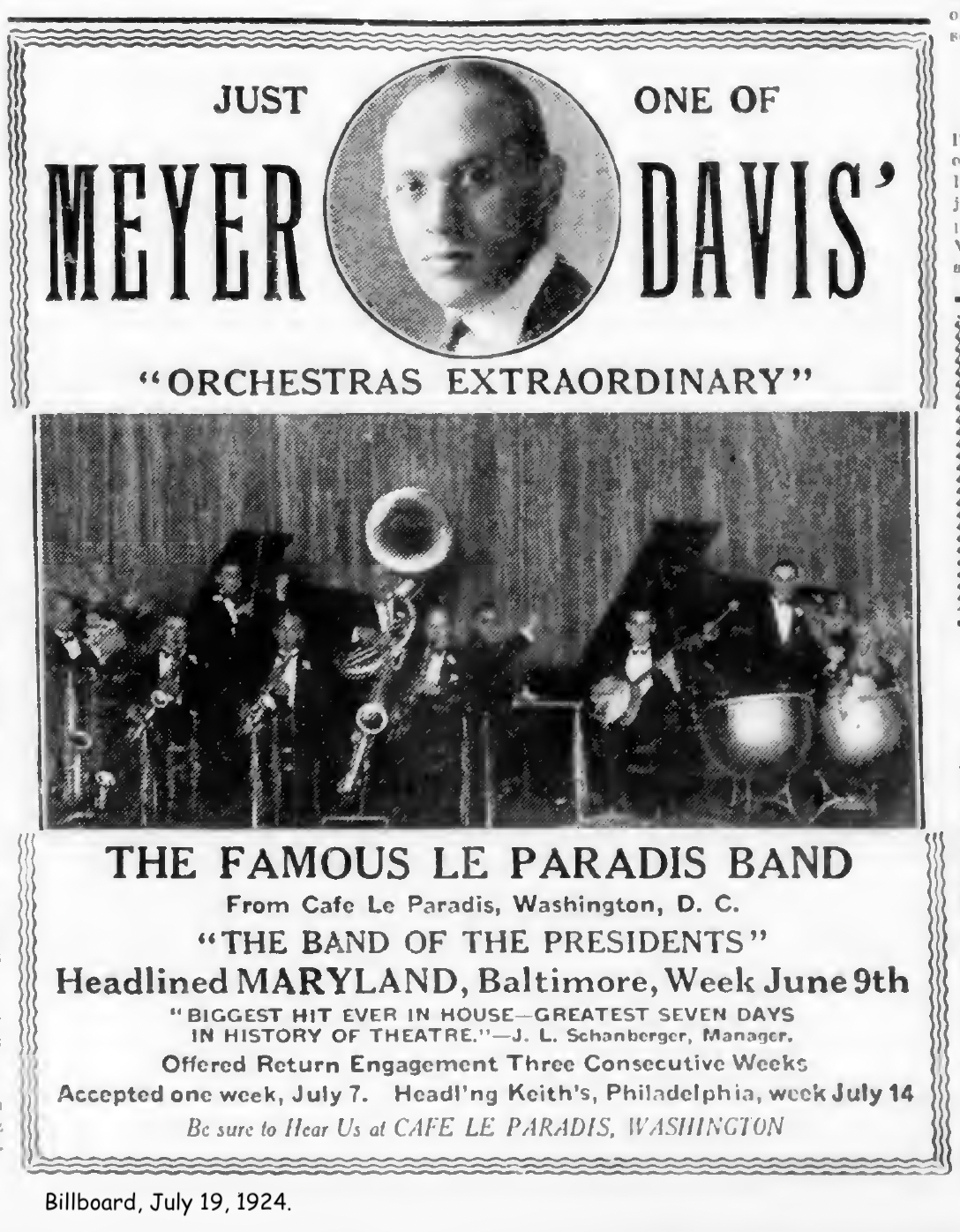
Bechet doesn’t use the same metaphor, but he alludes to the same types of ensembles deviating from where music “has to go.” If one musical approach becomes an objective rather than an option, then anything else will seem like it’s drowning out the authentic item. It probably also seems strange that musicians might want to play that type of music or that audiences choosing it were anything other than poor, beknighted saps.
While Stearns’s choice of “supplanted” seemed to have understated things for the person quoting him, there were practical reasons for the success of these bands. Larger, arranged ensembles eclipsed small improvising bands playing wild polyphony at breakneck tempos inspired by the Original Dixieland Jazz Band. The bands, in turn, were responding to how people responded to music. In a paper on dance music in Great Britain during the 1920s, Mark Hustwitt notes that dance teachers even held conferences throughout the decade to standardize dance steps and rein in excesses they observed in ballrooms.
It may stink of the encroachment of rigid formality on free spirits. But if you liked a clear melody and more modest tempos, these changes might have sounded like a godsend. For some, they were a welcome move away from pre-WWI dancing and its improvised, more unpredictable steps. Hustwitt notes that many dancers preferred the more regular patterns, which also made it easier to partner up with a sweetheart.
As for the musicians, it’s interesting to consider the diluters having musical values in addition to financial objectives. Several autobiographical materials by Lopez, Selvin, Whiteman, and other “commercial” bandleaders fill in those blanks. They also omit many critical social and economic issues in the music business and the complex influence of Black music on American popular culture. There’s a lot more than just “difference” at work in their music, but there’s also much more than jazz music there.
Obviously, this metaphor comes up often in discussions of popular art forms. It’s not even the only recurring criticism for this little swath of music. It’s possible to run through other arguments, including:
Even for the few of you reading, such a taxonomy might seem even more abstract. It’d be even less uplifting.
Still, the “dilution” metaphor is interesting for its recurrence and the questions it raises. It’s a specific way of describing and dismissing this music, one that keeps coming up and seems based on listening for one type of music rather than listening to that swath.
To beat the metaphor into the ground further, it’s like asking a wine critic to recommend something else from the bar. Are there legitimate reasons to enjoy other beverages, and even the occasional cola?
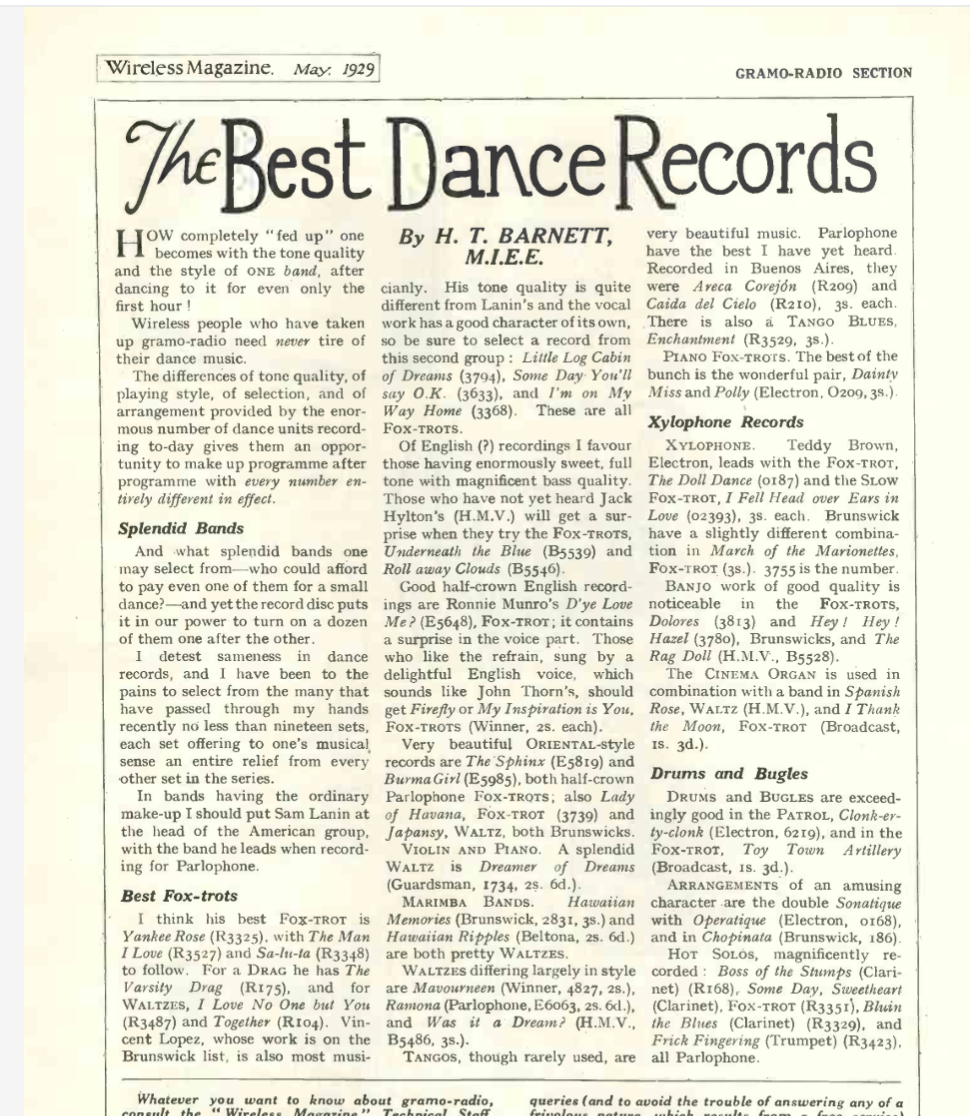


Had a few of those when still collecting. Always enjoyed, “Lopez speaking, may you enjoy this” or something to that affect.
Thanks for reading and for commenting! I like his records: the hot ones can get pretty hot, his sweet numbers and waltzes are well-arranged, and he had some great sidemen. I like his tagline, too!