 Time was that recorded music needed to be stored on some type of circular object (with rectangular objects briefly, and in hindsight laughably, substituted at a few points). If a listener wanted to hear their favorite band, they could insert one of these circles into a machine specifically designed to spark music from out of the circle. Over the years the circles changed in appearance, size, material, sound quality and how much music they stored. As the circles grew more sophisticated, so did their packaging: they might include the names of the musicians providing music for the circle, insight into the music beyond what its promoters had to say or some image that listeners would forever associate with that circle and its music. The principle always remained the same: a physical object that made music possible.
 To keep hearing recorded music, a listener had to purchase more circles. Entire stores were devoted to selling circles, with aisles of them organized according to labels that weren’t perfect but still gave a general sense of where to look for a particular artist. The circles usually cost money but most listeners didn’t seem to mind; the right circle could provide joy, intellectual stimulation, inspiration, reminiscence or something else that made any price seem like a steal.
Many circle-buyers had a favorite store, a place where they found the circles they wanted or discovered new circles, sometimes a circle that changed their life. It might be some essential building block of a collection (for example The Hot Fives or The Well-Tempered Clavier), something recommended by friends (such as the Luis Russell band or Teresa Berganza singing Rossini) or something completely new to them (maybe Fats Waller playing the organ, perhaps Handel’s violin sonatas). Circle shops combined commerce, personal choice, education, hope, and the thrill of the hunt, with every flip of a cardboard cover or click of plastic cases bridging whole aesthetic universes.
J&R Music World was my favorite source for circles. Its sheer variety for even most esoteric musical tastes and its constantly growing store of music awaiting discovery will never be surpassed. Yet if pressed to explain why J&R really stood out, it would have to be for the train ride home following a shopping spree. The distance between lower Manhattan and southeast Brooklyn isn’t substantial in terms of geography, but the subway warps time in unusual ways. Waiting to switch from the R to the Q at DeKalb Avenue alone could seem like a Chaucerian journey. Yet the anticipation of getting home to hear those circles, packed tightly inside one of J&R’s signature light blue bags, made the wait blissfully unbearable.
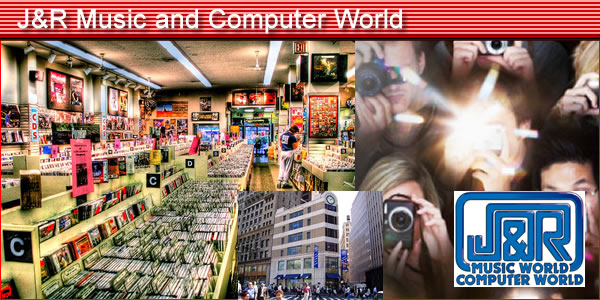
After moving out of New York City, trips to J&R became more sporadic but my appreciation for the experience grew. Aside from nostalgia, going to J&R was a chance to bump into something new rather than simply ordering what I already knew I wanted. Rather than reading a list of new releases cherry-picked by some editor at a magazine, I discovered them on my own, thumbing through them on the rack, browsing covers and often hearing them over the store’s speakers. And of course there was still that ride back home, which changed locations over the years and grew further from J&R, but which always seemed more rewarding after another good haul.
Recorded music slowly began to need circles less and less, and my favorite circle outlet began to change. On my first trip back after starting college, I was surprised that the jazz section was no longer surrounded by car horns and chatter coming from the street on the first floor, but was moved up to the second floor. Yet the change allowed me to hear the new releases and employee selections over the store speakers that much better, as well as the staff’s answers to my questions and their suggestions based on my inquires. Regardless of what floor housed the circles, there was still ample ground to cover. Poring through the jazz section alone could easily take a few hours.
Over the years the few hours needed to cover the stacks started to diminish. The classical and opera rooms in the back became two parts of the same section, awkwardly squeezed next to other sections (Vivaldi’s vicinity to the karaoke section may not have inspired the same degree of outrage for all consumers). I also began to notice fewer and fewer circles in the overstock cabinets underneath.
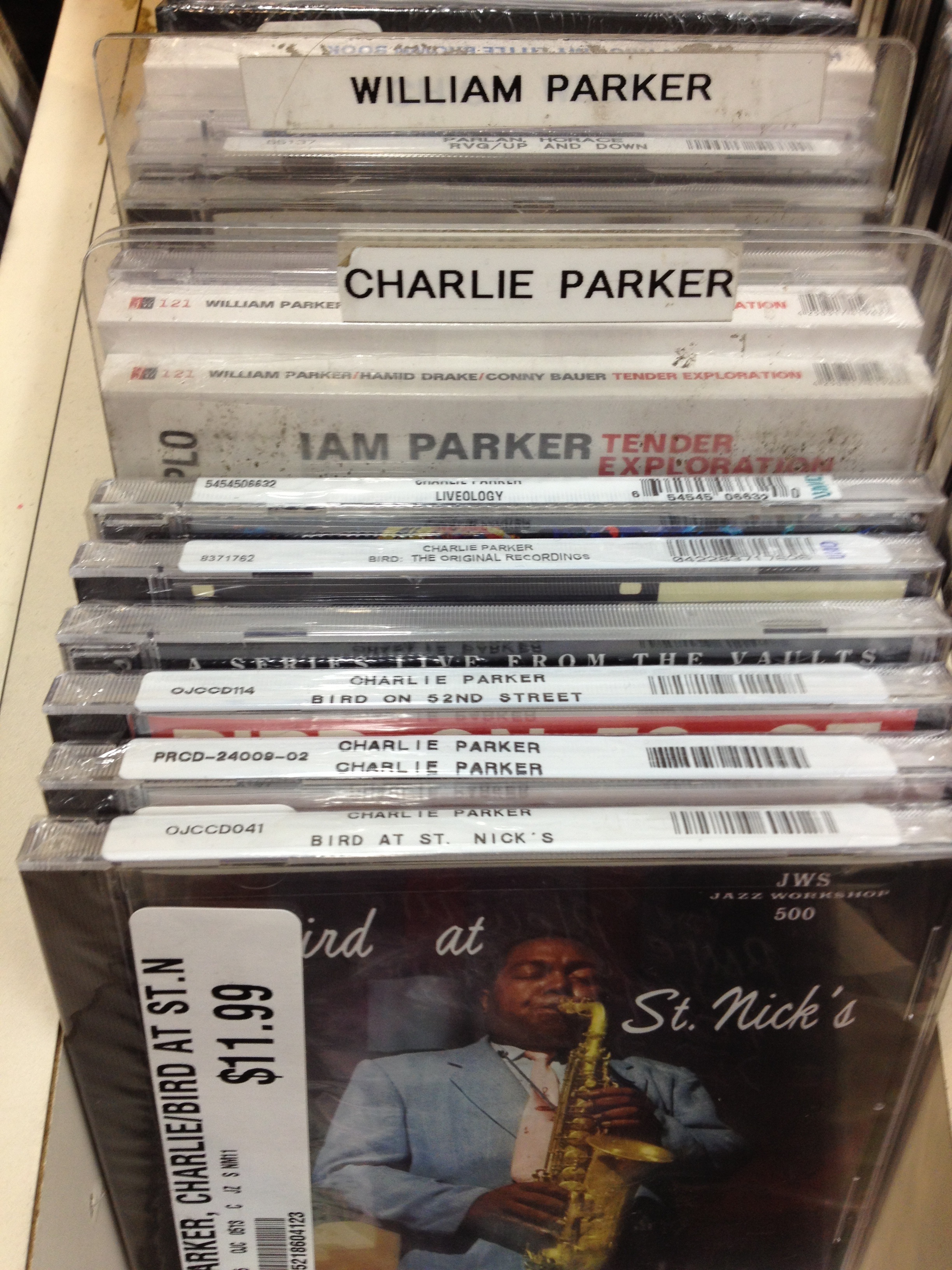 On my last trip to J&R, I learned that their entire row of stores (including their electronics, appliance, computer, photography and other divisions) have now been condensed into one building. A sign outside the former spot of the music department directed me to the new omnibus location, where music now occupies two floors. The space is much smaller but things don’t seem very tight. Based purely upon the thumb and pluck method of stock analysis and an overwhelming sense of “is that it?” it seemed like there were fewer circles than ever. I haven’t researched J&R’s sales or plans for the future, and no one sends them more well-wishes than I do, but if the writing isn’t on the wall, it’s only because the download has to finish.
Progress has liberated music from its physical trappings. It has also ensured that future generations will never feel artistic possibilities gliding on their fingertips, or learn music history from a deluge of album covers while a former drug connection for Miles Davis and a retired Metropolitan Opera coach discuss their favorite albums across the aisle. In lieu of circles, music is now this weightless, formless, costless thing, as easy to find and forget as the air we breathe. One person missing his circles might be sad (in several senses of the word), but an entire generation never enjoying those circles seems unfortunate.

 The Pop of Yestercentury